Septic Services Tips for Families With High Water Demand


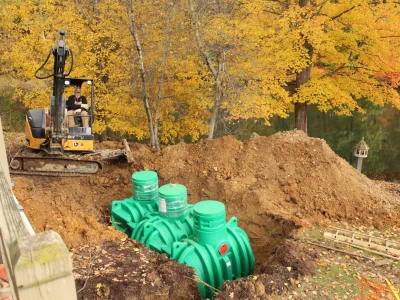
A septic system can serve a household for decades, but it does not forgive careless water use. Families with high water demand learn this faster than most. More people in the home means more showers, more laundry, more dishwasher cycles, more toilet flushes, and usually more chances for a small problem to turn into a backup. The system is not just handling waste. It is managing flow, settling solids, separating scum, and releasing clarified wastewater into the drain field at a pace the soil can absorb.
When that pace gets pushed too hard, trouble shows up in ways that feel unrelated at first. A slow tub drain after three loads of towels. A patch of lawn that stays damp near the tank lid. Gurgling at one fixture while another is running. None of those signs should be ignored, especially in a busy household where water demand is normal every single day.
The good news is that septic problems caused by overuse are often preventable. Good habits matter, but so does professional attention. The right septic services can buy time, prevent expensive failures, and help a family understand what their system can realistically handle.
Why high water demand changes the equation
A septic system depends on time. Wastewater enters the tank, solids settle, oils float, and the liquid layer in the middle moves onward. That separation does not happen instantly. If a household sends too much water too quickly, the contents of the tank get stirred up. Solids that should stay behind can move out toward the drain field. Once that happens, the most expensive part of the system starts to suffer.
Large families often assume the challenge is mostly about tank size. Tank size matters, but daily flow patterns matter just as much. I have seen homes with decent tank capacity struggle simply because everyone showers in a two hour window, the washer runs all afternoon, and the dishwasher starts before bed. On paper, the daily gallon count may not look outrageous. In practice, the system gets slammed.
There is also a seasonal factor. Summer breaks, visiting relatives, school sports, and houseguests can double water use for short stretches. Septic systems do not care whether that surge is permanent or temporary. They react to loading. A tank that feels fine with four people can start showing stress with six or seven, especially https://andyiewk825.image-perth.org/how-septic-services-help-protect-local-groundwater if everyone is home all day.
The warning signs busy households should not brush off
High demand homes can normalize minor septic symptoms because the plumbing is always in use. That is a mistake. Early signs are easier and cheaper to address than a sewage backup or a failing drain field.
Watch for sewage odors near the tank area, wet spots in the yard, toilets that seem slower than usual, or drains that back up when multiple fixtures are running. If the washing machine standpipe burps when someone takes a shower, that is not random. If the lowest level bathtub drains slowly after laundry day, pay attention. Septic systems often reveal stress during periods of heavy, overlapping use.
One pattern I hear often is, “It only happens when the house is busy.” That detail matters. Intermittent issues tied to heavy use usually point to flow capacity problems, a full tank, a developing blockage, or a drain field that is losing its ability to accept water efficiently.
Start with a realistic pumping schedule, not a guess
Many homeowners have heard a vague rule about pumping every three to five years. That range is a starting point, not a promise. A family of two in a modest home may safely go longer than a family of six doing daily laundry and frequent bathing. Garbage disposal use, long showers, and visiting guests all shorten the timeline.
For high demand homes, regular inspection is more useful than following a generic calendar. A professional can measure sludge and scum levels and tell you whether pumping is actually due. That is the kind of practical septic services advice that saves money over time. Pumping too late is risky. Pumping unnecessarily every year is not usually needed either.
In heavy use households, the safer approach is to inspect more often and pump based on actual accumulation and performance. Some families need pumping every two to three years. Others can stretch farther if water habits are disciplined and the system is well sized. The point is to base the schedule on your household, not your neighbor’s.
Water use timing matters almost as much as total volume
A septic system can handle a surprising amount of water if it arrives gradually. The same total amount delivered in a short burst can cause immediate stress. This is where families often have the most room to improve.
Think about one common Saturday morning. Two teenagers shower, a parent starts the washer, someone runs the dishwasher from the night before, and toilets are flushing throughout the house. That concentrated demand can send a flood of water through the tank before separation has time to occur. The drain field then receives more water than it can absorb comfortably, especially after rain.
Spreading water use through the day lowers peak loading. One load of laundry in the morning and another after dinner is much easier on the system than four back to back loads before lunch. The same logic applies to showers. Even shifting routines by 20 to 30 minutes can help.
This is one of those fixes that sounds too simple to matter. In practice, it matters a lot. I have seen households stop chronic “slow drain” complaints just by changing when they do laundry and staggering showers.
Laundry is often the hidden stress point
Most families think first about toilets and showers. In many homes, the washer is the real volume driver. Modern machines vary widely. High efficiency units can use far less water, but older top loaders may send a large surge with each cycle. Bedding, sports uniforms, and towels add up fast.
Laundry water also carries lint and detergent residues. That does not mean you should fear doing laundry. It means your septic system needs consideration when laundry demand is high. If you have a big family, school age kids, or anyone involved in outdoor work or athletics, laundry use can be relentless.
A practical rule is to avoid marathon wash days if your system already shows signs of stress. One or two loads per day is usually gentler than saving everything for the weekend. This may feel inconvenient, but it is still easier than dealing with a backup in the utility room.
Be careful with so-called flushable products
High demand homes also tend to generate more paper products, wipes, and hygiene waste. More people means more opportunities for the wrong item to enter the system. Septic systems are designed for human waste and toilet paper. “Flushable” wipes have a long history of causing trouble in both sewered and septic homes. They break down poorly and can contribute to clogs, pump issues, and tank accumulation problems.
The same caution applies to paper towels, feminine hygiene products, cotton swabs, and dental floss. In a large household, even occasional flushing of these items becomes cumulative. The issue is not just a blocked toilet. It is the extra strain added to a system that is already processing high flow volumes.
If you want one house rule that pays off quickly, make the toilet boring. Waste and toilet paper only.
What professional septic services should include for a high-use home
Not every septic company takes the time to educate the homeowner. The best ones do. For a family with heavy daily water use, a service visit should be more than a pump-and-go appointment. It should tell you something useful about system condition, risk points, and capacity.
A strong service visit usually covers a few essentials:
- Measurement of sludge and scum levels, not just a recommendation based on the calendar.
- A quick assessment of inlet and outlet baffles or tees, which help keep solids where they belong.
- Observation of signs of backflow, high liquid level, or evidence the drain field may be struggling.
- Discussion of household occupancy, laundry habits, and any recent changes in water use.
- Clear recommendations for next steps, whether that means pumping, further inspection, or simple habit changes.
That kind of visit gives a homeowner context. If the technician says the tank is filling faster than expected for its size, that tells you something. If they mention solids are higher than they should be between pump-outs, that may point to garbage disposal overuse or excessive hydraulic loading. Septic services are most valuable when they combine maintenance with judgment.
Protect the drain field, because that is where costs climb fast
Families often focus on the tank because it is the visible maintenance item. The drain field deserves equal attention. Once a drain field is damaged or clogged, repairs can become disruptive and expensive.
High water demand affects the drain field directly. Soil can absorb only so much water in a given period. If the field stays saturated, treatment suffers. Effluent may pond near the surface, odors can increase, and indoor drainage may slow. Wet weather makes this worse because the soil already has less capacity available.
Keep traffic off the drain field. Do not park vehicles there. Do not build patios, sheds, or play structures over it. Deep rooted trees can also become a problem, depending on placement and species. Compacted soil and root intrusion both reduce system performance.
Roof drains, sump discharges, and surface runoff should also be directed away from the septic area. This point gets missed often. Extra groundwater around the drain field does not just make the yard soggy. It robs the system of treatment capacity exactly when a large household needs it most.
Garbage disposals can quietly shorten your maintenance window
A disposal is convenient, especially in a home that cooks often. But convenience comes with a trade-off. Ground food waste adds organic solids to the tank. More solids mean faster accumulation. In a high demand household, that can pull the pumping schedule forward by a noticeable margin.
This does not mean every family must stop using a disposal entirely. It means use it sparingly and with some discipline. Scrape plates into the trash or compost first. Avoid sending grease, coffee grounds, fibrous vegetable scraps, eggshells, or pasta down the drain. Those materials can create more trouble than many people realize.
If your household already has frequent company, a lot of cooking, and daily dishwasher use, reducing disposal use is one of the simplest ways to lower septic load without changing anyone’s shower routine.
Watch for leaks, because a small drip becomes a big daily number
One leaking toilet flapper can waste a surprising amount of water. The same goes for a dripping faucet or a softener stuck in a regeneration cycle. In a city sewer home, those leaks mostly show up on the utility bill. On a septic system, they also consume treatment capacity.
This is especially important for large families because the system may already be operating near its practical comfort zone. An unnoticed toilet leak can add dozens or even hundreds of gallons in a day depending on severity. That is enough to turn an adequate system into an overloaded one.
If you notice unexplained dampness in the tank area, unusually frequent pump-outs, or performance issues that do not match your usual habits, hidden water waste should be part of the investigation.
Add-ons and upgrades that sometimes make sense
Not every septic problem can be solved with habit changes. Some families outgrow what the house had when it was built. A home that originally served two adults may now shelter five people, plus weekend guests. In those cases, an upgrade discussion can be reasonable.
Sometimes the answer is simple, such as adding an effluent filter if the system is designed for one and maintenance can be kept up. In other cases, high efficiency fixtures and appliances can lower daily flow enough to reduce stress. Dual flush toilets, low flow showerheads, and efficient washers do help when chosen carefully. They are not magic, but they can shift the numbers in your favor.
For homes with chronic overload, a more significant evaluation may be needed. That could involve checking tank size, confirming whether past additions to the house were matched by septic capacity, or inspecting the drain field condition. If a family has added bedrooms over time, the septic system may now be undersized for the occupancy it is expected to serve.
Seasonal guests, holidays, and sports seasons need a plan
Temporary spikes in water use can be harder on a septic system than steady, predictable patterns. Families often notice this around holidays, graduation parties, summer visits, or during school sports seasons when towels and uniforms pile up every night.
A little planning helps. Pumping before a major holiday gathering can be wise if the system is already due. So can spreading laundry over several days instead of cleaning everything after guests leave. Asking overnight guests to avoid long showers may feel awkward, but most people understand if you frame it as protecting a septic system rather than policing their comfort.
Here are a few practical habits that work well during heavy-use periods:
- Space out showers and avoid running laundry during peak bathroom times.
- Delay dishwasher cycles until later in the evening if multiple baths or showers are happening.
- Keep guests from parking on the drain field, especially when the ground is wet.
- Check for slow drains or gurgling sounds during the busy period, not weeks afterward.
- If the tank is near its service window, schedule septic services before the house fills up.
The key is not perfection. It is reducing pileups in water demand during the few days when the household is working hardest.
Know when a slow drain is a plumbing issue and when it is septic
Not every clog points to the septic system. A single sink that drains slowly is often just a local blockage. But when several fixtures act up at once, or when issues show up in the lowest drains first, the septic system moves higher on the suspect list.
The distinction matters because some homeowners waste time snaking one fixture after another while the real issue is a full tank or saturated field. On the other hand, a septic company may not be the right first call if the problem is isolated to one bathroom sink.
Context helps. If the trouble appears after laundry, during houseguest weekends, or after several days of heavy rain, think bigger than a single drain line. If sewage odors are present outside or the yard is wet near the system, do not delay. Those are signs that warrant prompt professional attention.
Keep records, because memory gets unreliable under pressure
Most busy households mean well, but life moves fast. People forget the last pump-out date, cannot remember when the filter was cleaned, or are unsure whether the yard was always that damp in spring. Good records solve that.
Keep a simple file with service dates, technician notes, tank size if known, and any observed symptoms. Record occupancy changes too. If a grandparent moved in, if a basement bedroom was added, or if two children became three showering teenagers, that history matters. The next technician can make better recommendations when the story is clear.
This does not need to be complicated. A note on your phone, a folder in the utility room, or an email thread to yourself is enough. The value is in being able to compare today’s performance with past patterns.
The habits that protect the system for the long haul
Families with high water demand do not need to live nervously around their plumbing. They do need to respect capacity. Septic systems reward consistency. They perform best when water use is spread out, solids are controlled, leaks are fixed quickly, and service is scheduled before symptoms become emergencies.
The households that avoid major trouble are usually not the ones with the fanciest equipment. They are the ones that pay attention. They know approximately when the tank was serviced. They recognize that four loads of laundry in a row have consequences. They call for septic services when warning signs appear, not after sewage reaches the tub.
A septic system is a working part of the home, not a buried mystery. For families with heavy daily use, that mindset makes all the difference. When you understand how the system handles flow, solids, and soil absorption, better decisions become obvious. The result is fewer surprises, lower repair risk, and a system that keeps doing its job quietly in the background, even when the house is full and the water never seems to stop running.
Excavating New Jersey LLC
Address: 406 County Rd 565, Wantage, NJ 07461
Phone number: +19737914284
FAQ About Septic Services
What is the average cost to get a septic tank emptied?
Emptying a septic tank costs between $290 and $560 on average, with most homeowners paying about $420. Prices vary based on tank size.
What is septic service?
Septic service inspects, pumps, cleans, and maintains a septic tank. A septic tank is a large, underground container that collects and treats wastewater from your home. Over time, sludge, scum, and other debris, like hair and solids, can build up in your tank and clog your drain field.
How often should you have a septic tank serviced?
A standard septic tank should be inspected every 1 to 3 years and pumped every 3 to 5 years. However, the exact schedule depends on your tank's capacity, household size, and daily water usage.